OPINION
The United Nations resident and humanitarian coordinator ad interim in Myanmar reflects on her first months in the country and what is needed to support the people amid conflict and a multifaceted crisis.
By GWYN LEWIS
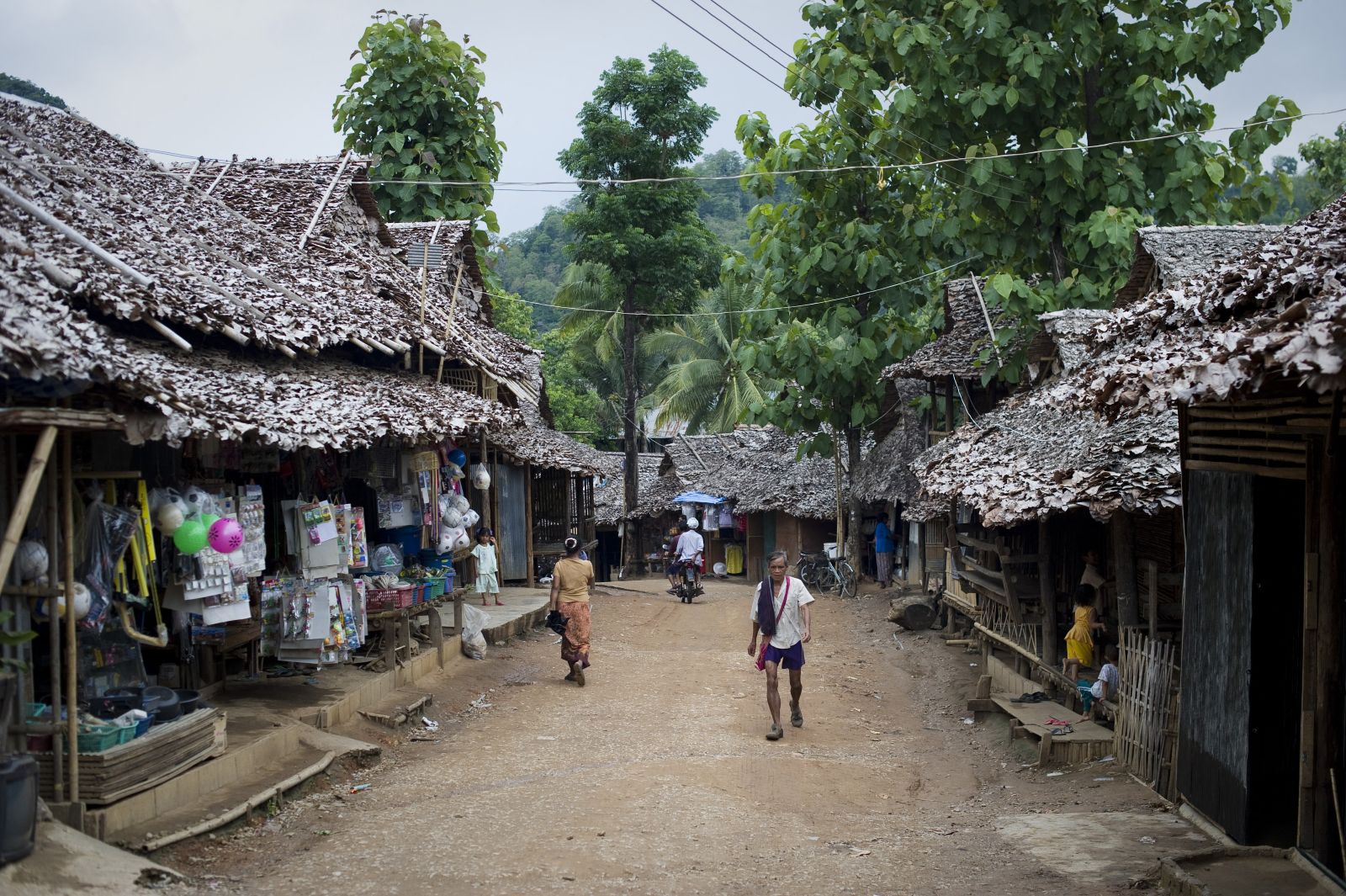
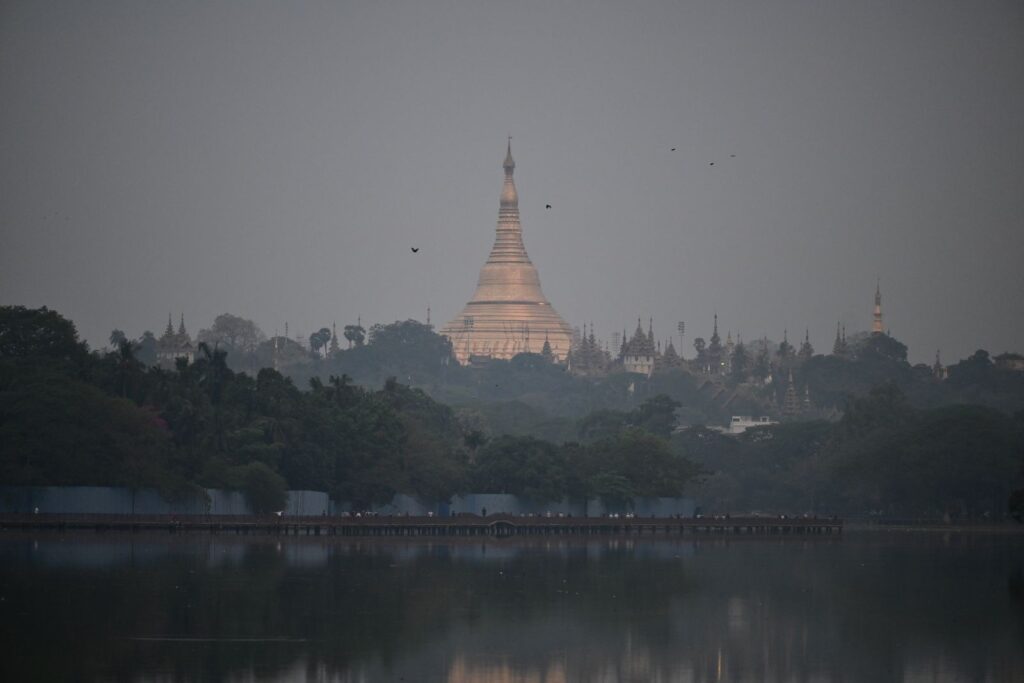
I have spent more than 25 years working in humanitarian and conflict-affected areas around the world, from the West Bank to Lebanon, and most recently in Bangladesh. But after six months in Myanmar as the United Nations resident and humanitarian coordinator ad interim, what has struck me most about the country is the striking contrasts – a land woven from countless cultures and blessed with natural abundance, yet so often shaken by disaster and scarred by conflict.
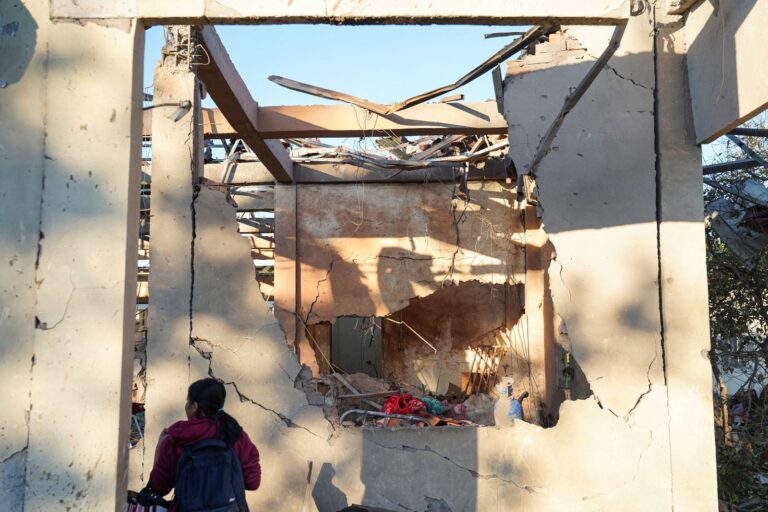
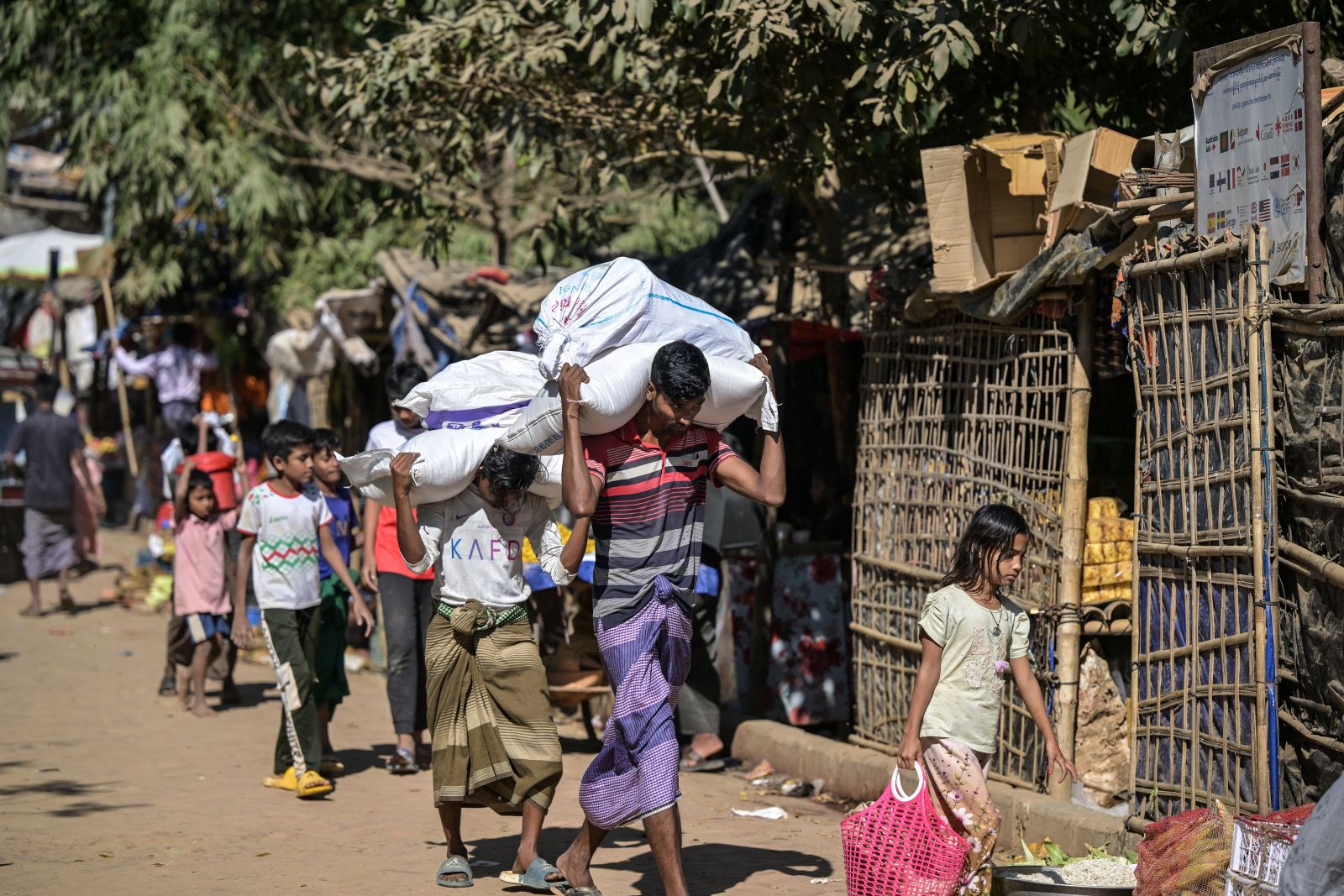
Although there are peaceful pockets where daily life still carries on with a fragile sense of normalcy, millions of people across the country are living through a convergence of crises: conflict, displacement, natural disasters and economic hardship. There are places where entire communities have been uprooted, often more than once. Basic services have weakened or collapsed in many areas and livelihoods have disappeared. For many families, survival is a daily uncertainty.
There is quiet strength in the Myanmar people, a resilience that feels almost unbreakable. And still, beneath that strength, you can sense the weight of suffering, the deep, unspoken exhaustion.
Exhaustion from years of conflict. Exhaustion from repeated disasters. Exhaustion from constantly rebuilding lives again and again only to see them destroyed once more. And increasingly, exhaustion from feeling forgotten.
Over the past six months, I have travelled to Mandalay and Sagaing regions, as well as Rakhine and Shan states. Each place is different. Myanmar resists simple narratives. But what connects these regions is the way crises overlap and intensify each other.
Myanmar’s challenges are often spoken about in different conversations: conflict in one, floods in another, economic hardships somewhere else. But for people here, these crises do not arrive one at a time.
A flood is not just a flood when a family has already been displaced by conflict. Fuel shortages are not just an economic concern when they determine whether families can afford food and medicine or whether humanitarian supplies can reach remote communities. An earthquake is not just a natural disaster when communities were already living on the edge before the ground began to shake.
This is why Myanmar is in such urgent need of dedicated support.
In Mandalay and Sagaing, I sat with men and women whose lives have been shaped by both conflict and the earthquakethat struck on March 28 last year. Some had already fled their homes because of conflict, only to be uprooted again after the earthquake. Despite not knowing whether their homes were still standing, when I asked if they would return home if they could, the answer from everyone was immediate: yes. It was a “yes” filled with longing and hope but also shadowed by the fear of being uprooted all over again.
In Shan, I heard a similar message of the deep desire to return home – or what is left of it. None of the people I met wanted to depend on aid, or for their lives to be defined by displacement.
They had jobs, homes, routines and dreams for the future before violence shook their communities. One of the deepest frustrations people carry is that this was not the life they had imagined – for themselves or their children. They ask not for endless assistance, but for the chance to rebuild their lives with dignity.
The international community has a critical role to play. We bring resources, experience and global solidarity. That matters. But Myanmar has reinforced for me the idea that effective action must be grounded in the realities of the communities themselves and shaped by their leadership.
At the same time, we must be honest about the constraints.
Globally, humanitarian funding is under unprecedented strain. Crises around the world are increasing in number, scale and complexity, stretching already limited resources. Myanmar is competing for attention and funding in an increasingly crowded humanitarian space. The urgency of needs amid a diminished funding landscape makes sustained engagement all the more challenging.
The impact of this is already being felt. Humanitarian actors are facing difficult choices about how to prioritise limited resources, even as needs continue to grow.
Meanwhile, operational challenges on the ground — compounded by the fuel crisis caused by the war in the Middle East — are making responses more difficult and more expensive. The scarcity of fuel affects everything: aid delivery, health services, transport, markets and people’s daily ability to cope. What might otherwise be manageable challenges become critical barriers.
One thing is absolutely clear to me: the response in Myanmar cannot shrink simply because the country’s crises have dragged on or there are too many competing priorities.
Short-term humanitarian aid for life-saving measures, while essential, is not enough on its own. People need emergency support after floods, earthquakes and displacement. But to build a life of dignity and sustainability, communities also need investment in livelihoods, education, health services and recovery. This will help communities to avoid long-term dependence on aid and will equip them with the support they need to rebuild lives that are truly their own — and to believe, once again, that their future can be different from their present.
Another worry that I have is the growing number of young people living in limbo.
Across Myanmar, children are growing up amid conflict, displacement and economic hardship, cut off from stability and opportunities. The long term psychological and social consequences are immense.
Around the world, conversations are increasingly focused on innovation and limitless possibilities for the future. But many young people in Myanmar are watching those conversations from the sidelines, wondering why their own lives continue to be defined by instability.
People in Myanmar are not asking only to survive; they want, as we all do, the ability to rebuild their lives on their own terms. And above all, they want the world to not forget them and remain engaged even when these crises become politically complicated, or especially when things become politically complicated.
Myanmar cannot become a country of permanent, overlapping crises that the world debates but learns to accept.
I remain deeply moved by the courage I continue to witness across the country. People sharing what little they have with neighbours. Volunteers helping families recover from disasters. Teachers continuing to conduct classes in temporary displacement sites. Local humanitarian workers reaching places that are difficult and dangerous because they refuse to abandon people in need.
However, resilience alone cannot sustain a country indefinitely. The Myanmar people deserve not only continued support from the international community, but also a genuine commitment to ensuring that this crisis does not slip further from global attention at the very moment when needs are greatest.
Gwyn Lewis is the United Nations resident and humanitarian coordinator ad interim for Myanmar since October 2025.